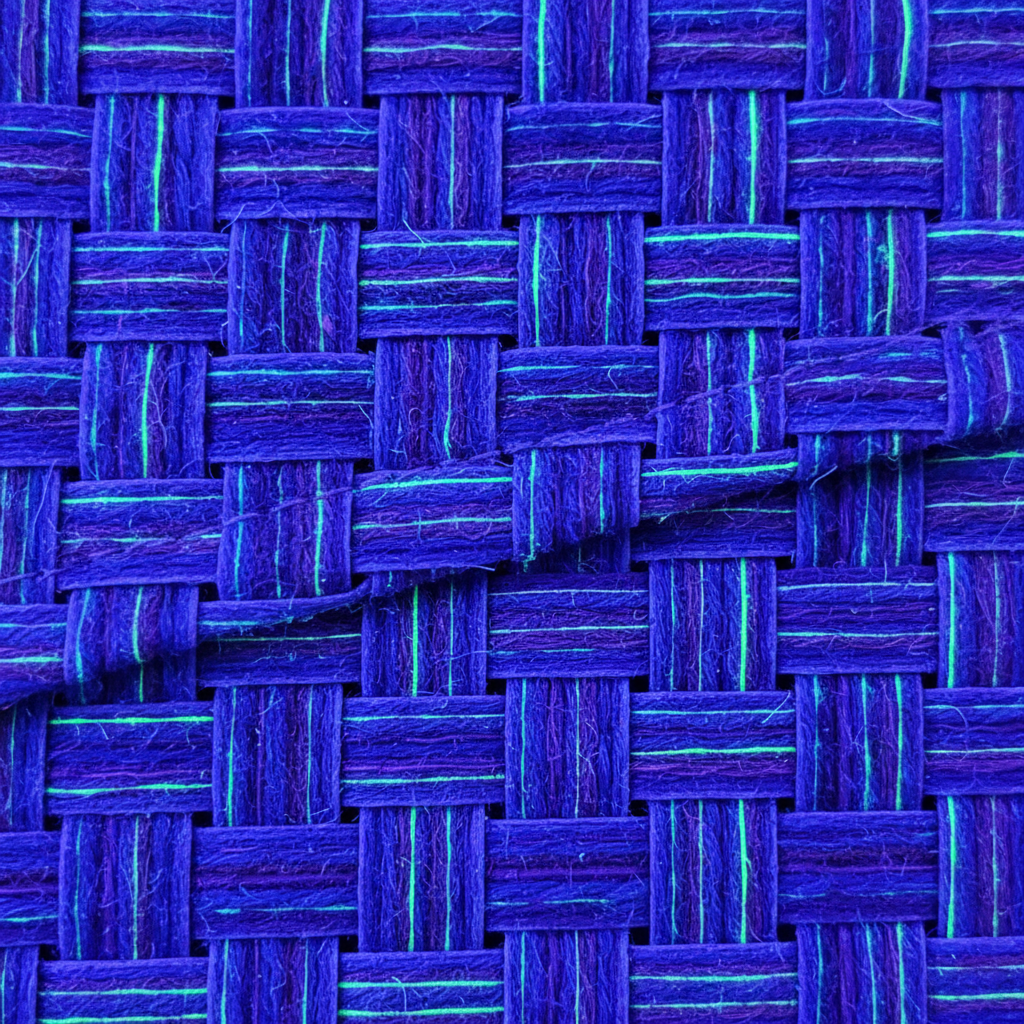
Tagless. Seamless. Rated by micron, not marketing. Garments engineered for skin that notices everything.
Built for skin that notices everything.
Every design decision is measurable. We publish our fiber specs, seam profiles, and pressure ratings because "soft" is not a number — but 17.5 microns is.
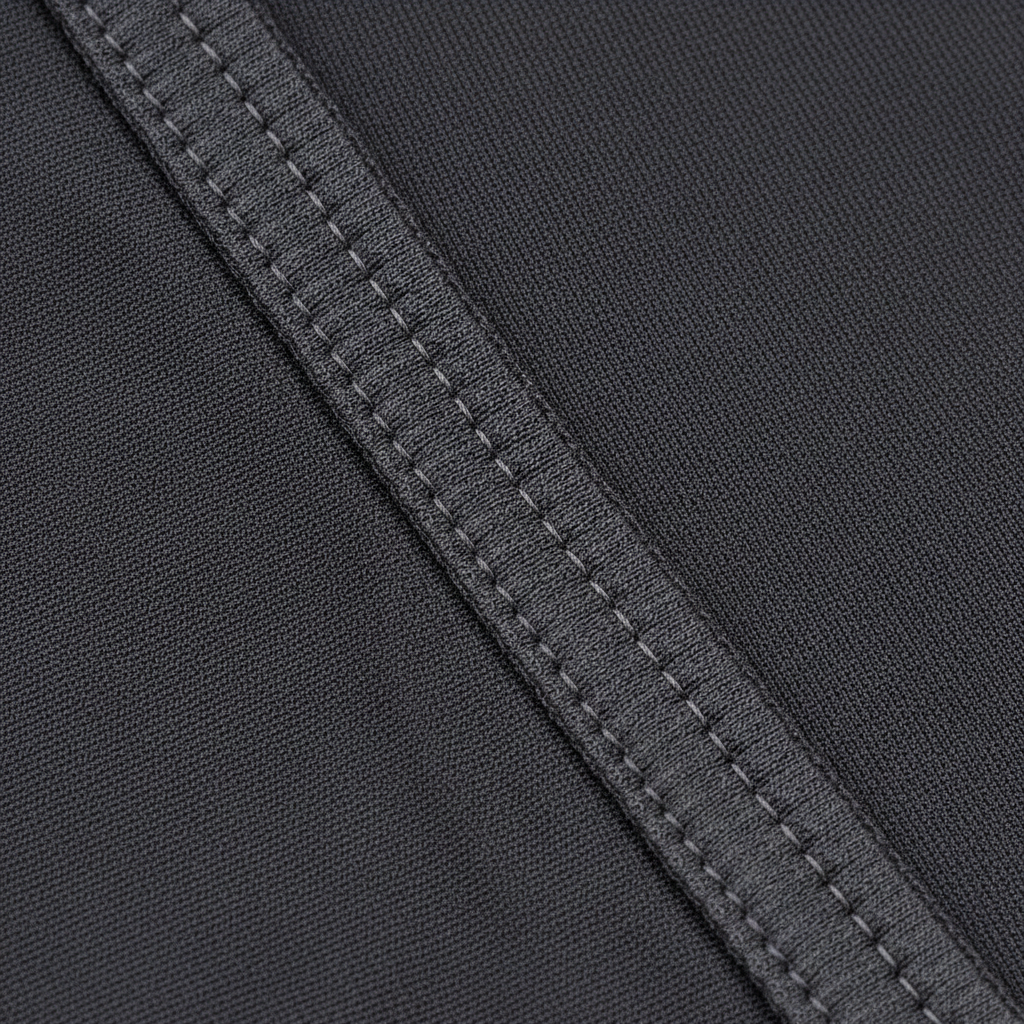
Flat-Lock Seam
Zero-ridge construction
Every seam lies flush against the body with no raised ridge. The stitching is inward-facing and covered in a micro-jersey binding rated at 0.4mm profile.

Micron-Rated Fiber
< 18μm guaranteed
We test every batch. Fiber diameter under 18 microns is the threshold below which most sensory-sensitive skin stops registering contact.
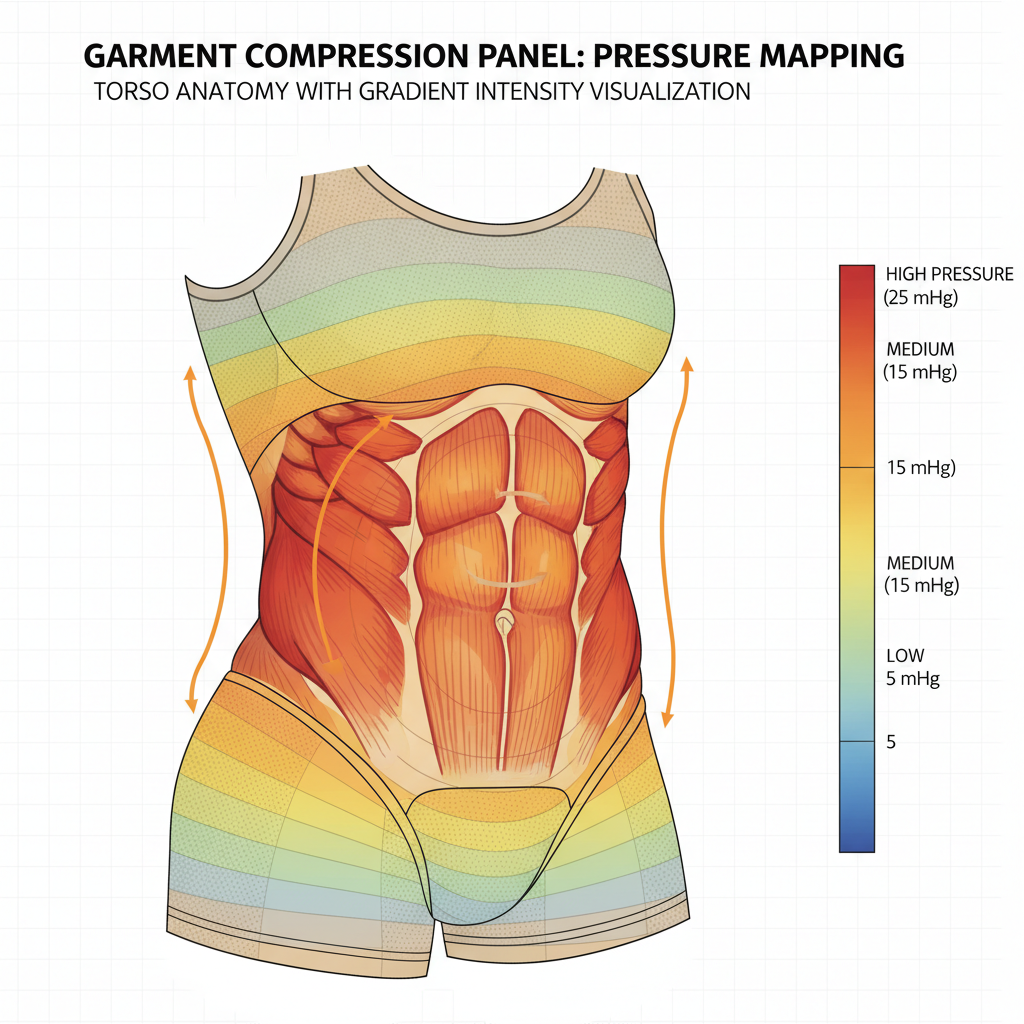
Compression Panels
Optional deep pressure
Proprioceptive compression zones in the torso and upper arms. Pressure mapped at 8–15 mmHg — the therapeutic range for sensory-seeking individuals.
Fiber diameter is the only honest measure.
Below 18 microns, individual fibers are thinner than a nerve ending's sensitivity threshold. Above 26 microns, fabric begins to register as texture — the sensation that triggers meltdowns, avoidance, and distress.
Our base layer fiber
Common irritant for SPD
Frequent sensory trigger
Static & heat retention
Three taps to filter what won't overwhelm.
Your answers filter the gallery to only show garments matched to your sensory profile.
How do you experience body pressure?
Three taps to filter what won't overwhelm.
Your answers filter the gallery to only show garments matched to your sensory profile.
How do you experience body pressure?
Every garment. Every texture.
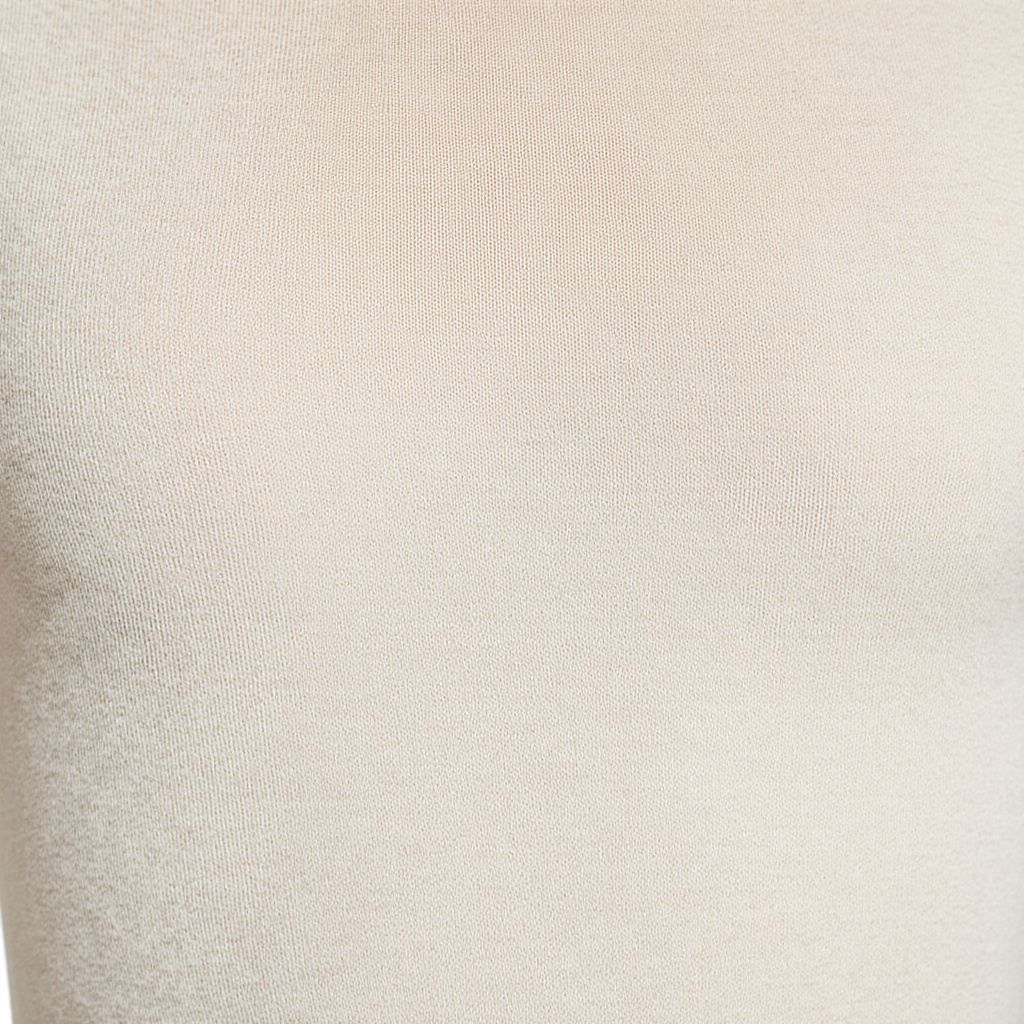
Zero-Seam Base Layer
0.4mm flat-lock
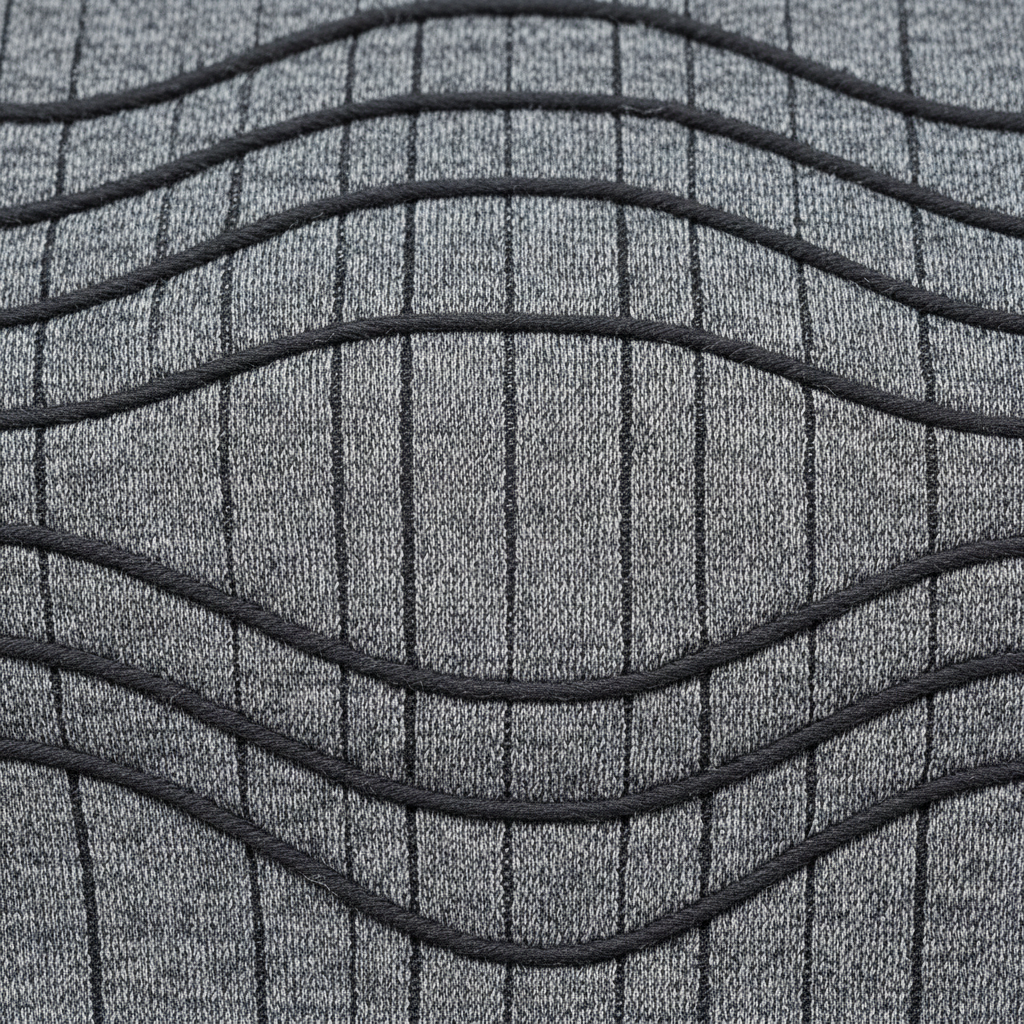
Compression Undershirt
0.4mm flat-lock
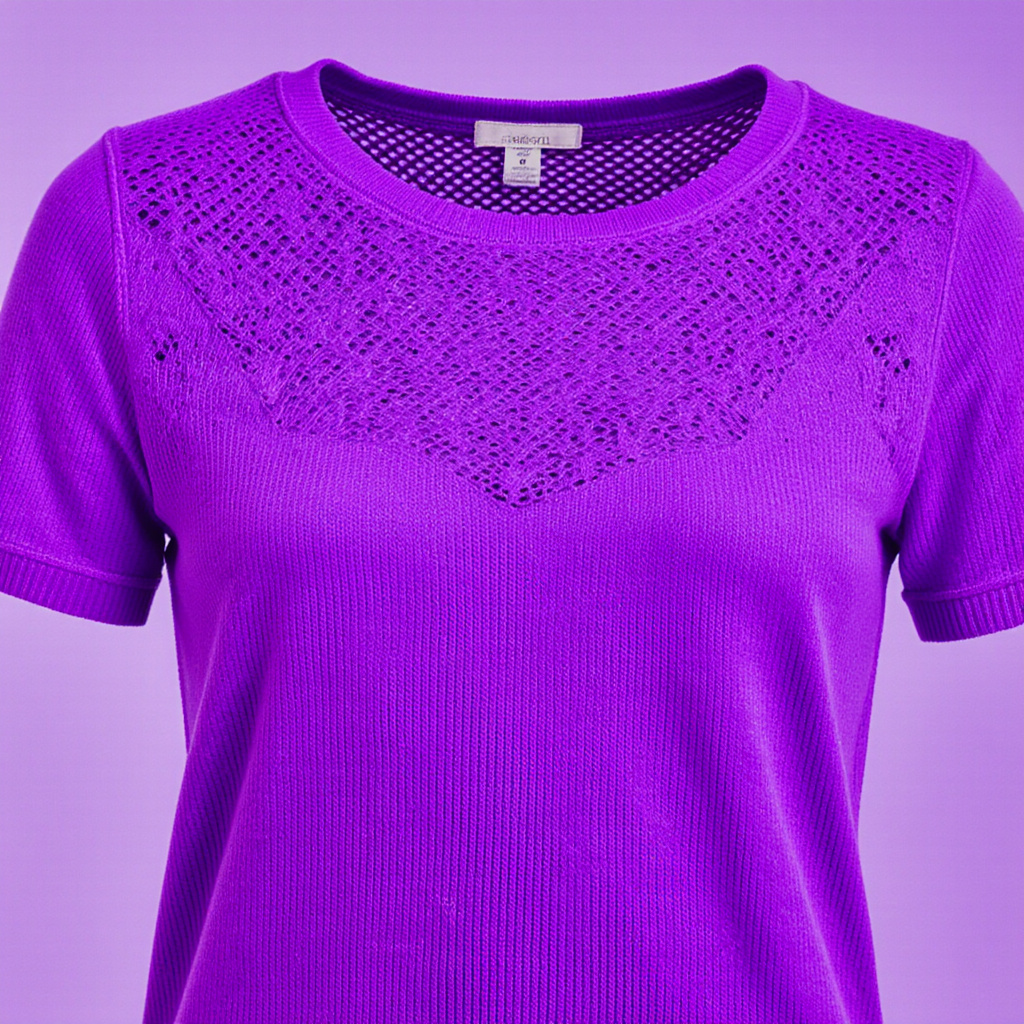
School Day Tee
0.3mm flat-lock
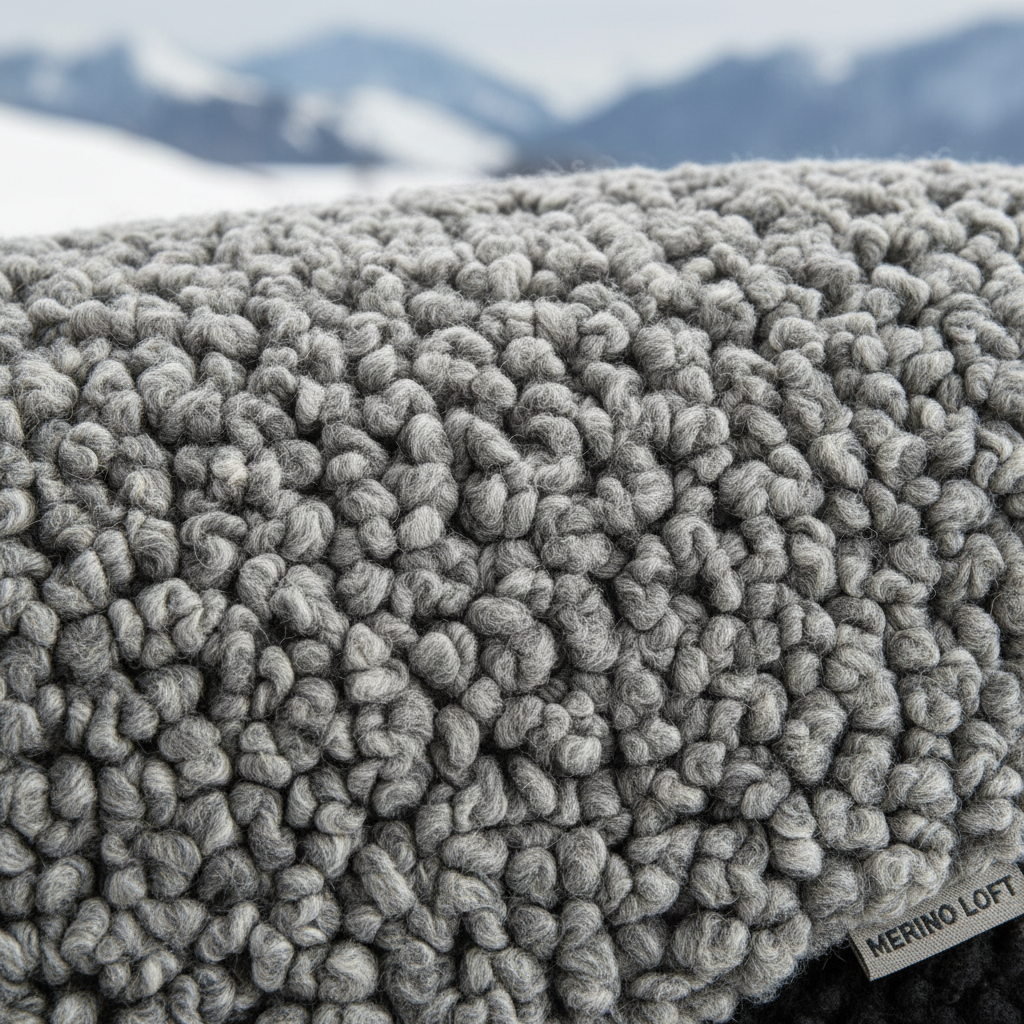
Thermal Mid Layer
0.5mm flat-lock
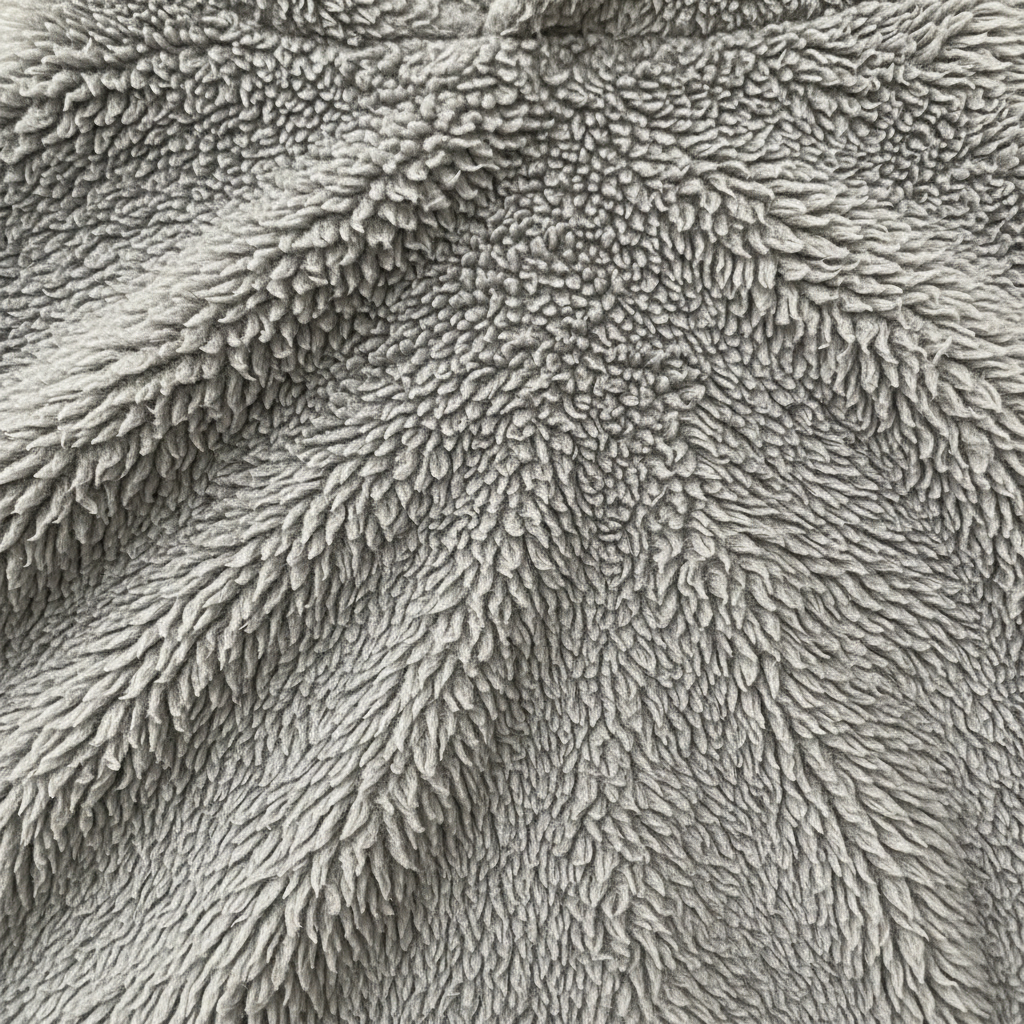
Sensory Hoodie
0.6mm flat-lock
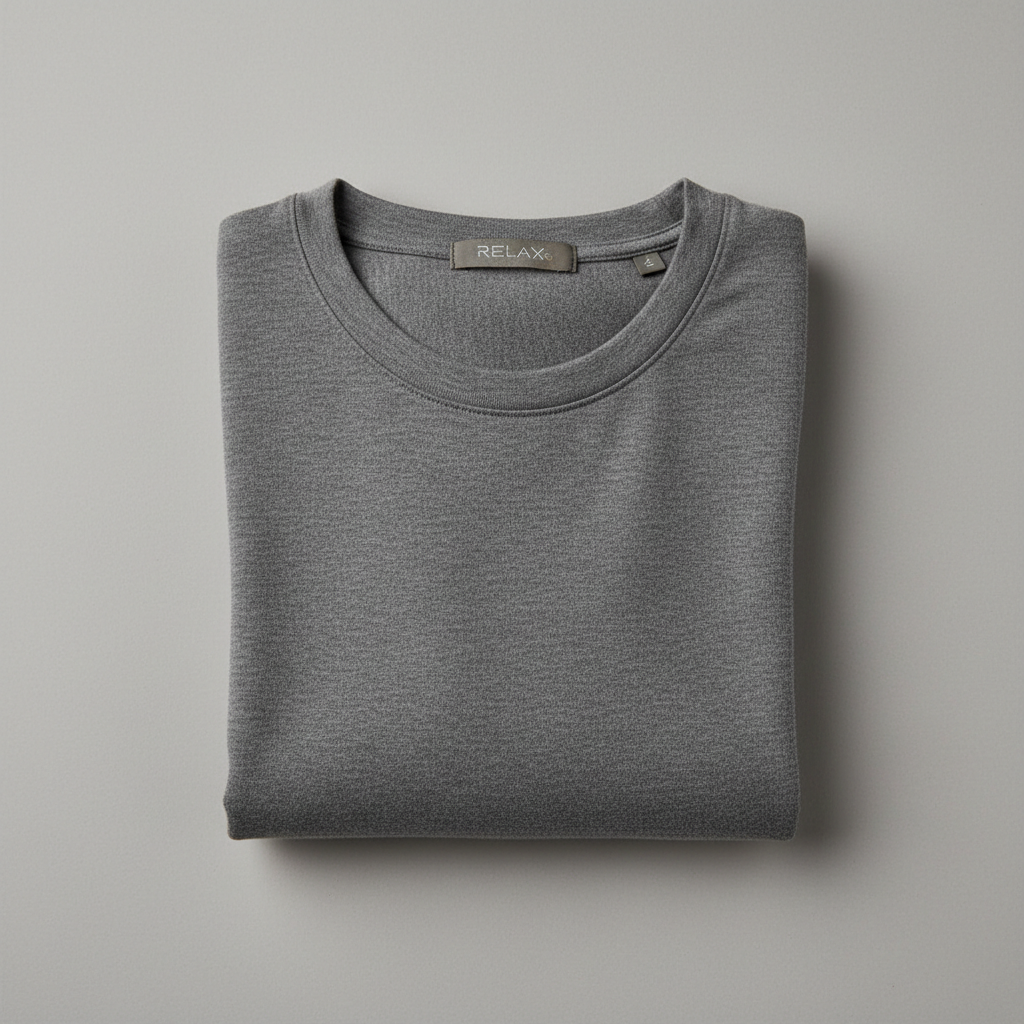
OT Starter Base
0.4mm flat-lock
Build a Starter Kit.
Curated by occupational therapists. Three pieces chosen for your sensory profile — base layer, optional compression, and a school or office top. Save 18%.
Trusted by those who know what works.
OTs, autistic adults, and parents of sensory-sensitive children — the only people qualified to judge whether clothing actually disappears.
Fiber diameter — every batch tested
Reported reduced dressing distress (week 1)
Seam profile — thinnest in market
Washes before shape degrades
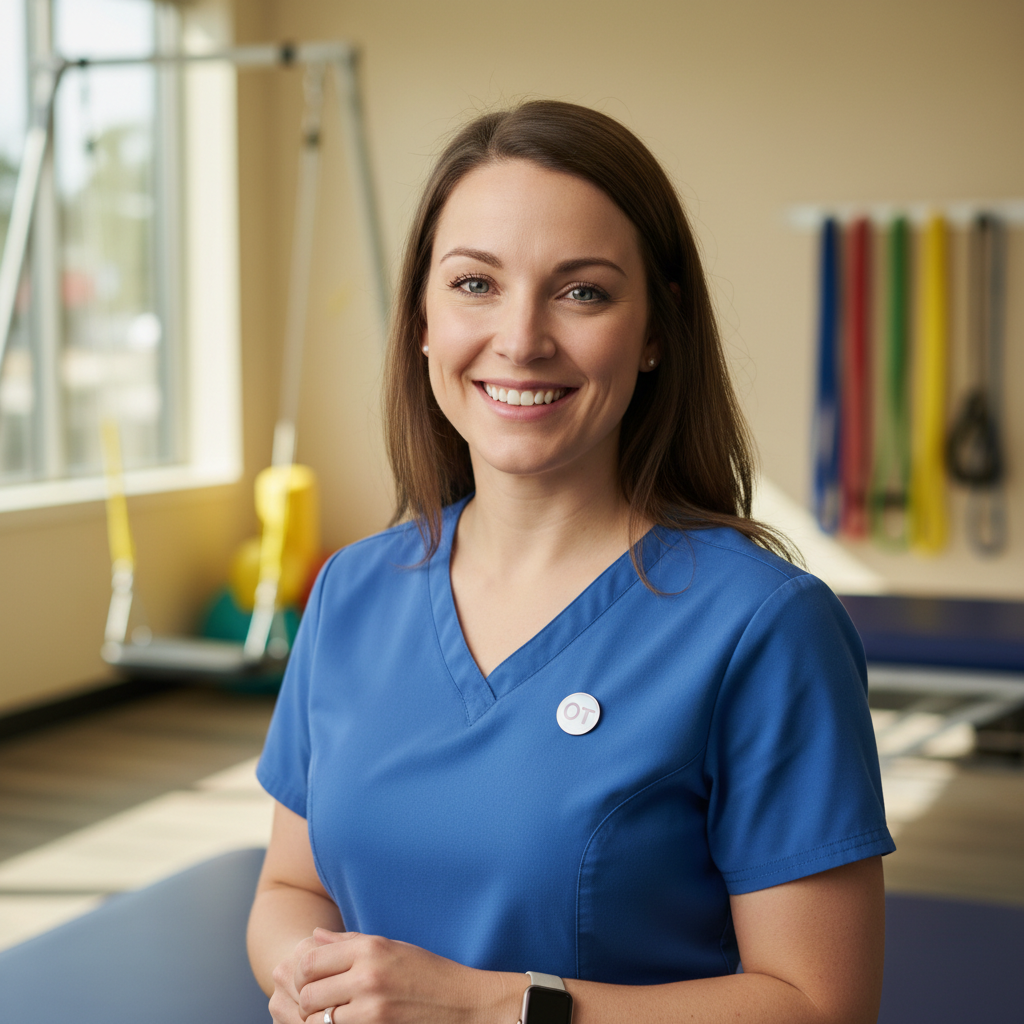
Dr. Meredith Okafor
Occupational Therapist, Chicago
"I've been prescribing sensory diets for 14 years. Softwear is the first clothing brand I recommend by name — not by category. The micron documentation alone makes it credible to parents who've been burned by "soft" claims before."
of OT clients reported reduced morning dressing distress in week 1

James Whitfield
Autistic adult, software engineer
"I used to change shirts twice before 9am. The texture of standard office clothes was a constant background noise I couldn't tune out. I've worn the Zero-Seam Base Layer every workday for four months. I forgot it was there by day three."
worn daily without a single sensory complaint

Priya Chandrasekaran
Parent of two, Austin TX
"School mornings used to take 45 minutes and end in tears. The School Day Tee eliminated the tag argument entirely. My older son now dresses himself completely — something that wasn't happening six months ago."
morning routine reduced to under 12 minutes

Tobias Engström
Autistic adult, Stockholm
"The Sensory Hoodie is the only garment I've owned that actually delivers on compression. I wear it for video calls, for focus sessions, for hard days. It's the first piece of clothing I'd call genuinely therapeutic."
days per week worn — only garment that made the cut
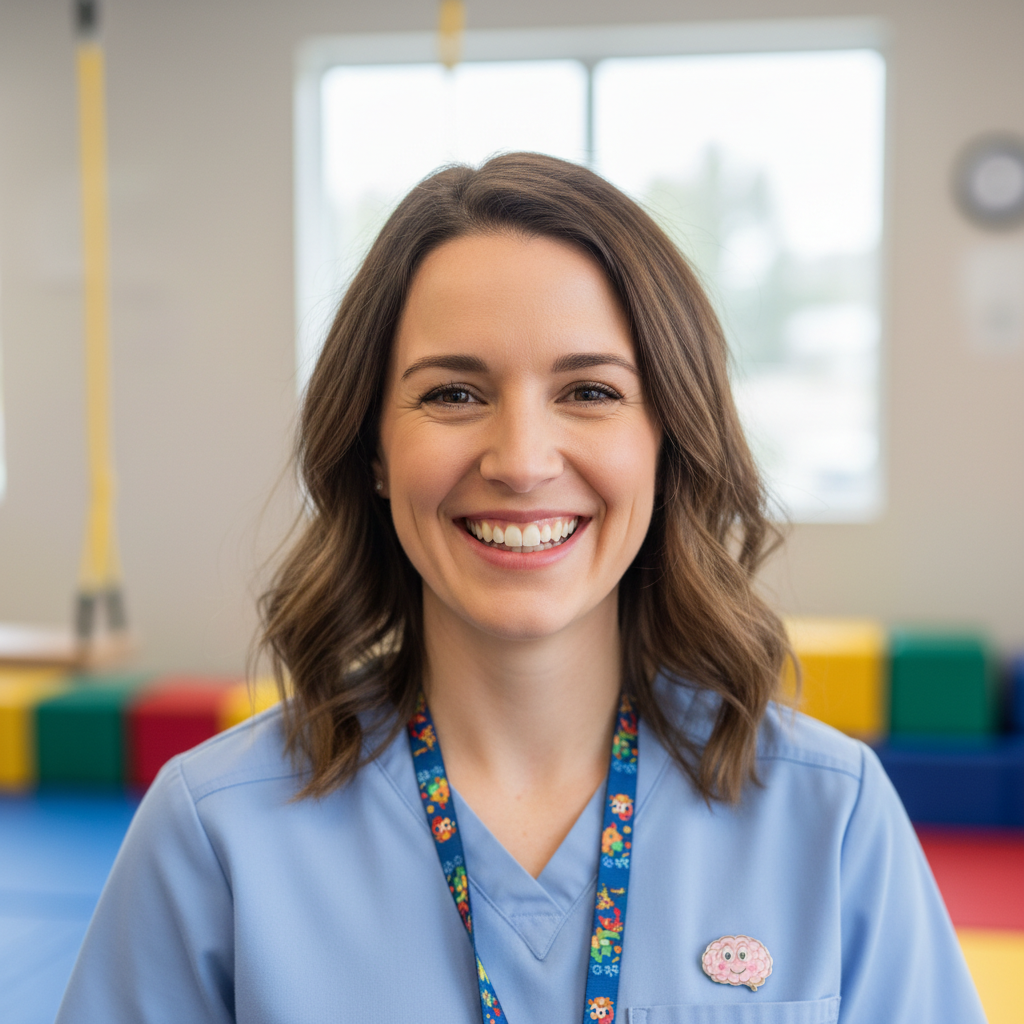
Nadia Bellows, OTR/L
Pediatric OT, Seattle
"Having a brand I can point families to by name changes the conversation. Instead of a 20-minute explanation of fiber diameters, I say "Softwear" and hand them a card. The published micron data does the explaining for me."
families referred monthly on OT letterhead
Marcus & Diane Abernathy
Parents, Portland OR
"Our son refused every new clothing item for three years. He wore the same two shirts until they fell apart. We sent him the OT Starter Base without telling him what it was. He asked where we got it. That was a first."
clothing refusal ended in first week of wearing
OTs: refer with confidence.
Download our technical specification sheet — fiber diameter test reports, seam profile diagrams, and pressure zone maps — formatted for clinical recommendation letters.